The new 4th Amendment of the Chinese Patent Law came into effect on June 1, 2021. Right before that date, the Chinese Patent Office (“CNIPA”) released some “Interim Measures” to give us a taste of what was to come, though they have yet to released the actual Implementation Rules. Two months later, CNIPA finally released Draft Patent Examination Guidelines in conjunction with the new Patent Law. We have provided a summary of the key points at this link, and for the next several posts, we will explore some of those topics in greater detail. “PTA” in the Patent Law Patent term compensation for patent office delay, which we will refer…
-
- China, Court Cases, Courts, EIP Coffee Break, EIP Patent 101 Corner, prosecution, Supreme People's Court
Do Invention and UM Patents Filed on the Same Day Rise and Fall Together?
Snippets of Court Cases, Provisions, and Key Observations about China’s IP Landscape Seminal Cases by the SPC Recently, the Intellectual Property Division of the Supreme People’s Court (SPC) issued a list of seminal (精品) cases. Although China is not a case law country, such seminal cases issued by the SPC have high guiding impact for similar cases in the future, so they are still worthy of attention. One of the seminal cases ((2020) 最高法知民终699号) is very interesting. It involves a set of “same day applications”, i.e. an invention patent and utility model (UM) patent directed towards the same invention filed on the same day. The key issue is: if the…
-
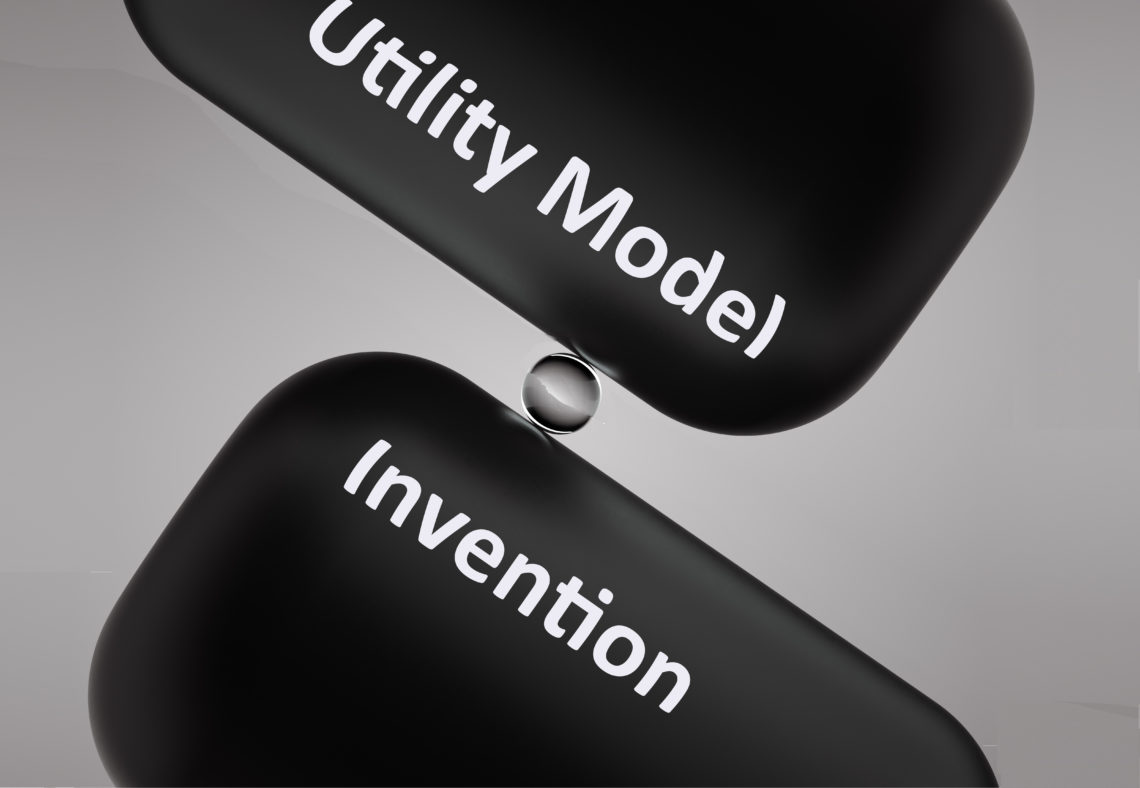
What is the difference between an Invention Patent and a Utility Model Patent?
There are two types of patent protection in China. Invention patents (similar to a US utility patent) have a term of 20 years from the date of filing and may be granted for both methods and products. Utility model patents (similar to a petty patent) may be granted in China for technical solutions that relate to shapes or structures of a product, and have a term of 10 years from the date of filing. Utility model applications are subject to preliminary examination to check for compliance with formal requirements, novelty, unity of invention and patentable subject matter. Invention patent applications are subject to search and examination similar to those conducted…